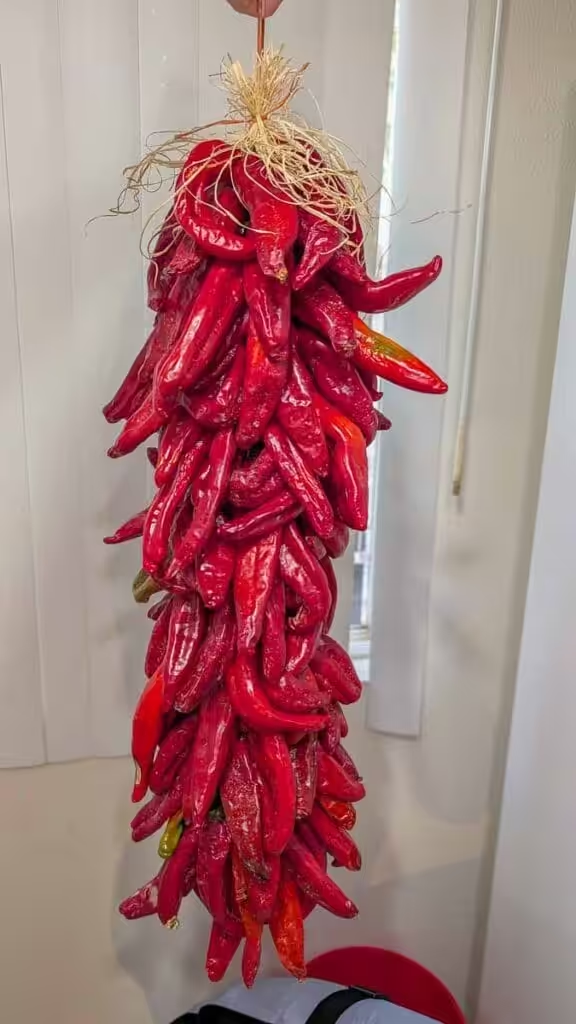
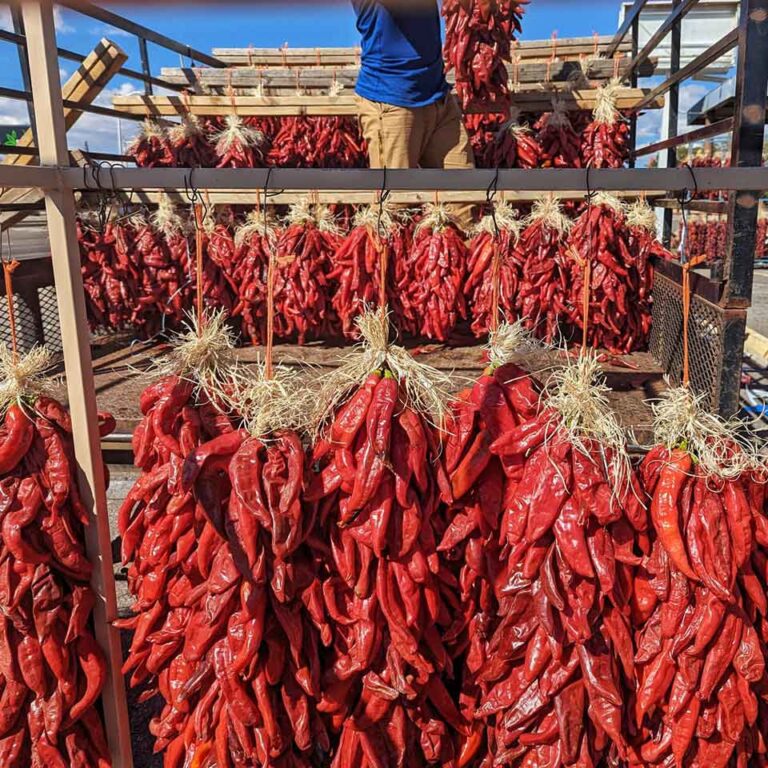
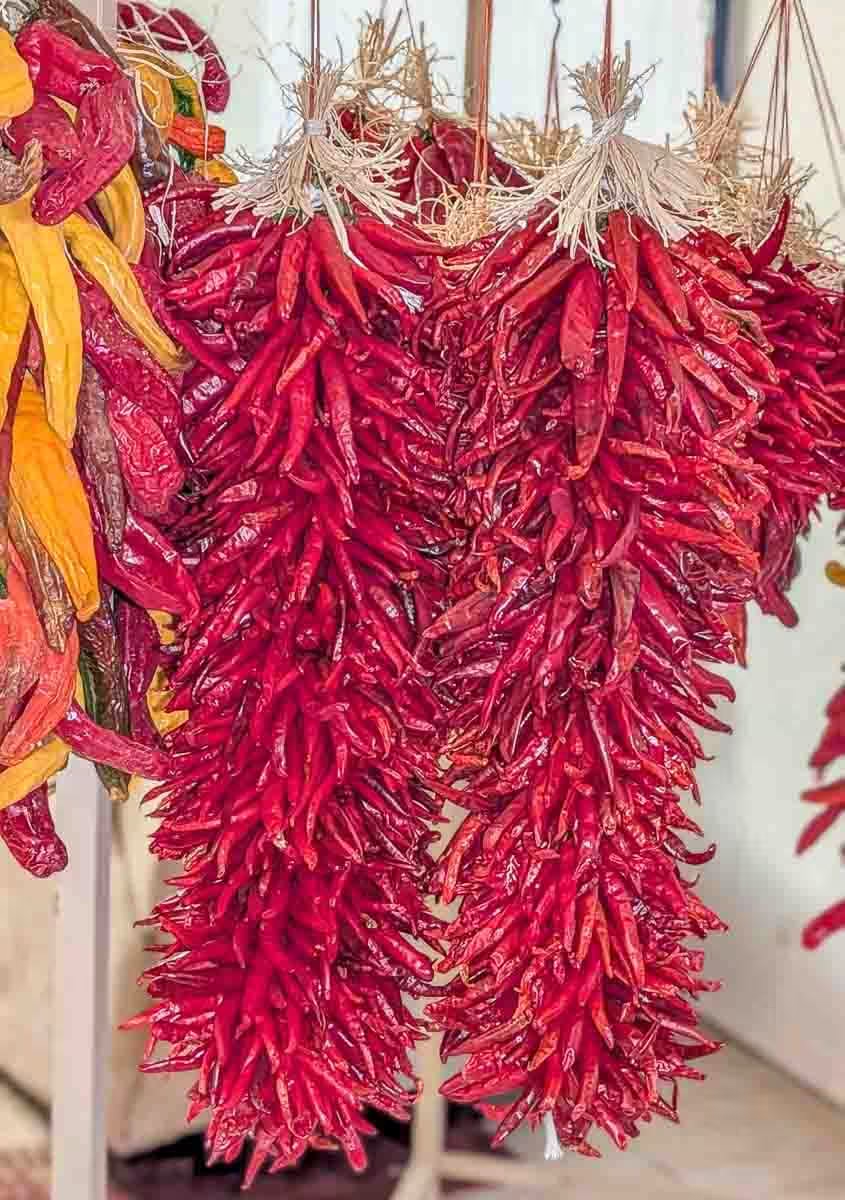
If you’ve ever traveled through New Mexico in the autumn, you’ve likely been captivated by the vibrant crimson strings of chile peppers hanging from adobe porches, portals, and kitchen rafters. These beautiful arrangements are known as ristras.
But a ristra is far more than just a Southwestern accent piece; it is a profound symbol of hospitality, a historic preservation method, and the foundation of New Mexican cuisine. Drawing on the rich heritage of the Hatch Valley—the undisputed Chile Capital of the World—here is your ultimate guide, a 101 crash course to the history, culinary magic, and care of the authentic Hatch chile ristra.
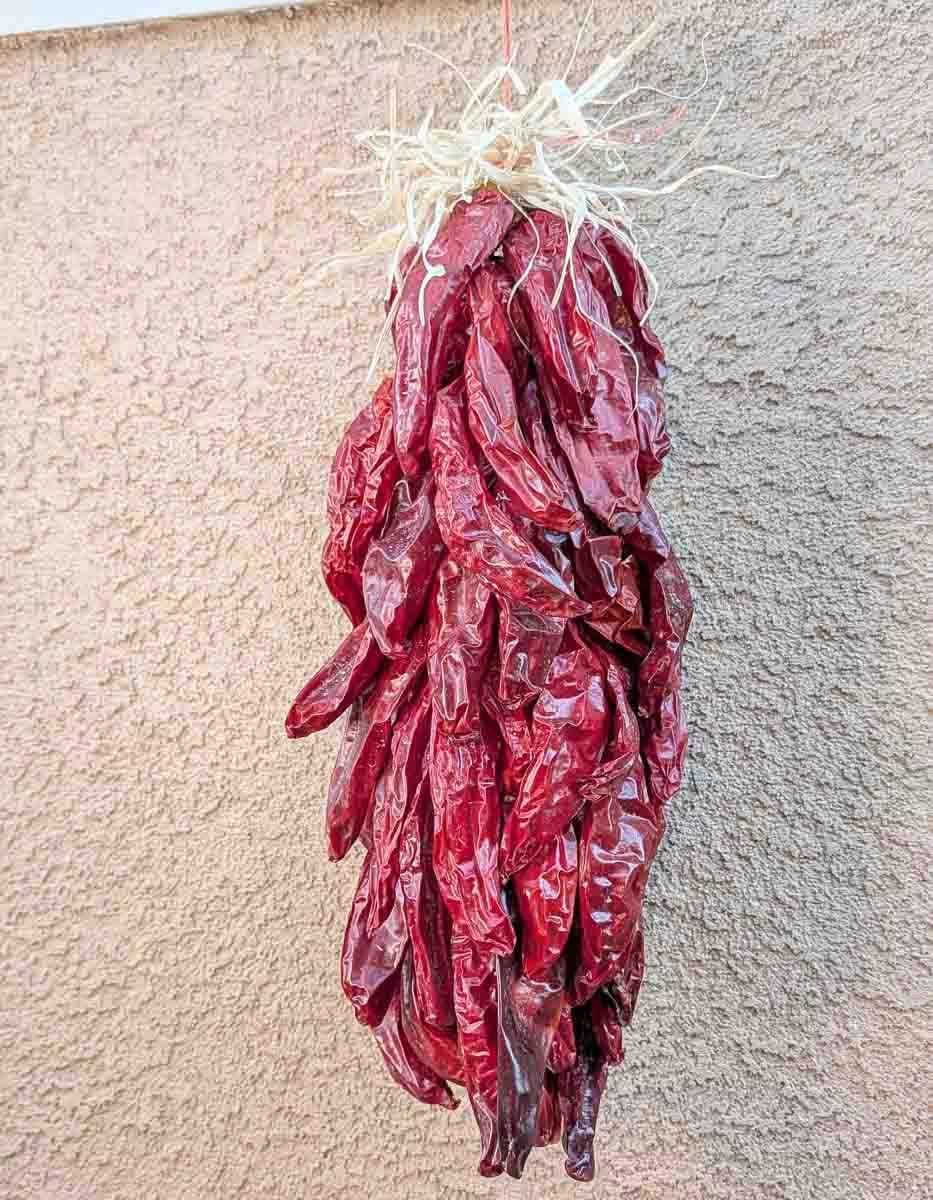
What is a Chile Ristra?
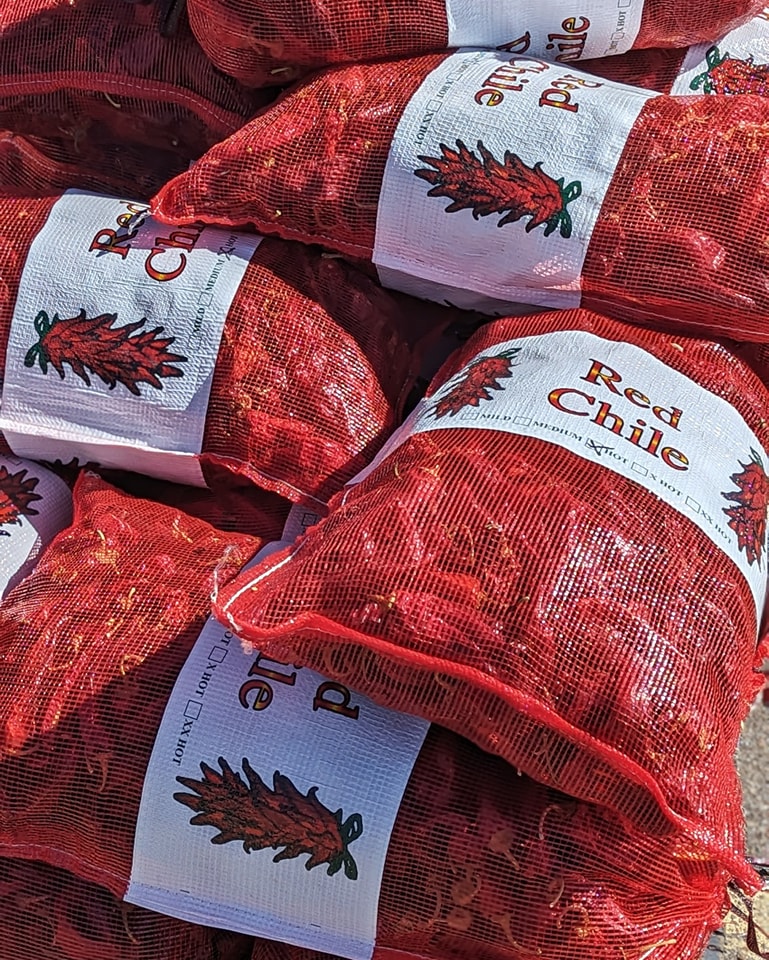
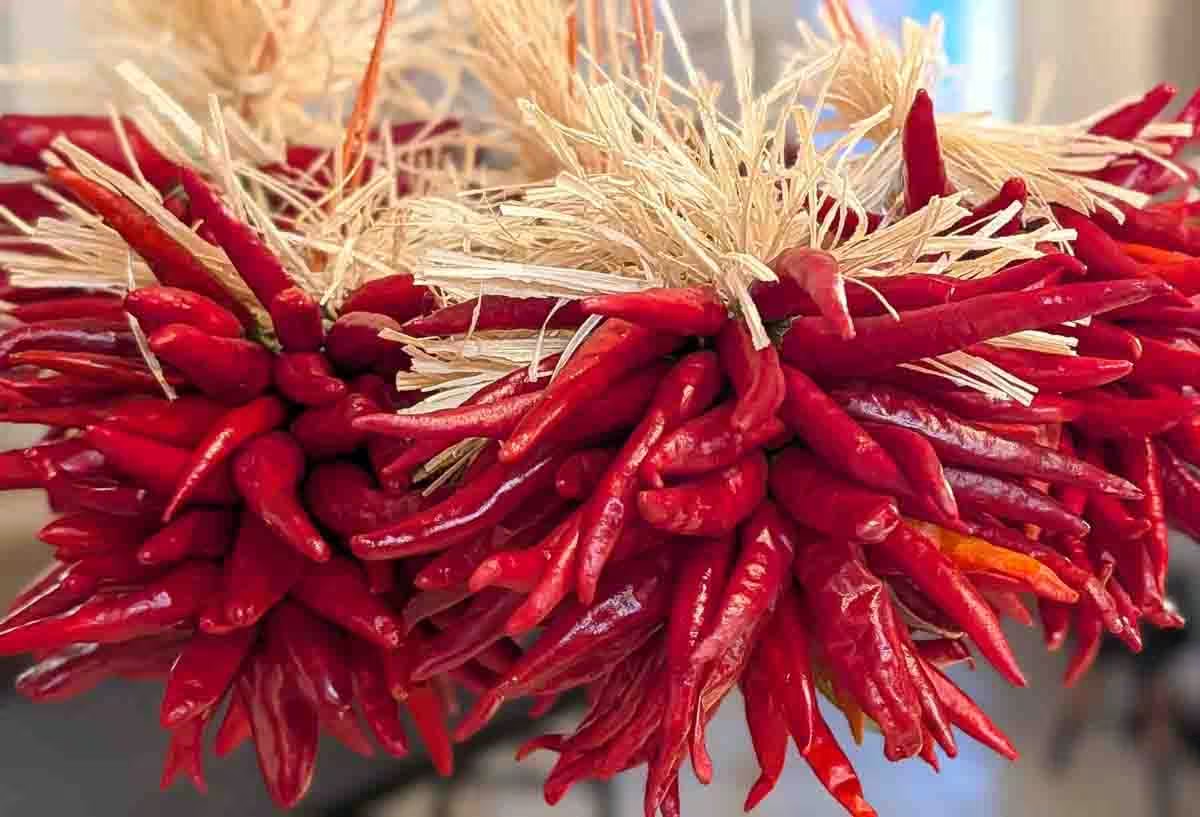
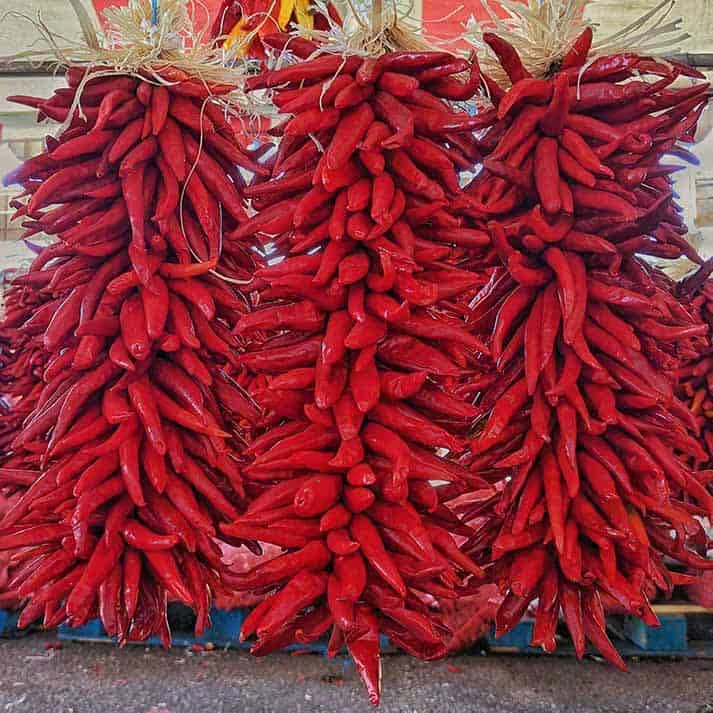
In Spanish, the word ristra simply means “string.” In the context of the American Southwest, a ristra refers to the traditional method of stringing up mature red chile pods to dry in the warm, arid sun. While you can find ristras made from garlic or smaller peppers like pequin or chile de arbol, the most iconic and highly sought-after ristras are crafted from authentic Hatch red chile, notably the Sandia variety developed at NMSU.
Hatch chiles owe their legendary flavor to the unique terroir of the Hatch Valley—a perfect storm of mineral-rich Rio Grande soil, blazing hot days, and cool desert nights. While straight ristras are the traditional standard, the art form has expanded to include wreaths, hearts, crosses, and even geometric shapes.
The Practical History: Why Hang Chile?
Long before they became a staple of Southwestern home decor, ristras were born out of absolute necessity. Before modern refrigeration, farmers needed a way to preserve their autumn harvest for the long winter.
Hanging the chiles allowed for optimal airflow, preventing rot as the pods dried out in the desert breeze. But there was another brilliant reason for hanging them: birds. While mammals are highly sensitive to capsaicin—the chemical compound that gives chile its fiery heat—birds are completely immune to it. By hanging the chiles on strings, early farmers kept their precious crop safely out of reach of rodents, while the natural capsaicin didn’t deter the birds who would otherwise feast on the seeds.
Where to Hang a Hatch Chile Ristra?
First things first, chile ristras are fragile! That means where you hang them has a huge impact on how long they last.
Hanging a Ristra Inside
A ristra inside is a great idea for people who want their ristra to stay looking good for a couple years. Step one before you bring it inside should be to get it dry, so let it have some direct sunlight outside for a week or so first. Ristras we ship out are already mostly dry in order to prevent rotting in the box, so you can skip this step, but many people buy them fresh in Hatch, Albuquerque, Santa Fe, or other towns and cities in New Mexico. As you wont have as much wind inside, you can hang it right up against the wall without much concern inside. If you can find a spot that is aesthetically pleasing, hang your ristra there. As long as it isn’t a high traffic area where people or things bump into it, your Hatch chile ristra will stay in good condition for a couple years!
Hanging a Ristra Outside
If you hang them outside, be cautious of the wind. A little sway is no big deal if your ristra has nothing nearby that it will crash against. Something nearby that it rubs against will also gradually grind down the ristra over time, particularly near the bottom. The most important first step is to give your ristra space. Another important thing to consider are the elements. While a ristra won’t have too many problems if hung outdoors in the dry southwest, not everywhere in the US is a desert. Shielding your ristra from rain will greatly improve the long term looks of your ristra by preventing molding. The sun also beats down on ristras and degrades them over time, so a bit of shade will also help them stay looking good for a long time! They don’t need complete shade, but some coverage during the peak UV hours of the day really goes a long way!
A Symbol of Southwestern Hospitality
Today, hanging a ristra by your front door is the New Mexican equivalent of a welcome mat. The rich, earthy red beautifully contrasts with stucco and adobe architecture, bringing a pop of vibrant color to any space. Hanging a fresh ristra is a way to wish visitors good luck, good health, and a warm welcome. Ristras area also a great Southwestern gift option, and we actually sell a lot more ristras for Christmas presents than other times. Hatch chile ristras also work great for birthday presents or wedding decorations! We regularly ship out orders of 10 to 20 or more Hatch Chile Ristras for weddings!
From Decoration to the Dinner Plate
In New Mexico, the official state question is “Red or Green?” When you choose red, you are eating the exact same peppers that make up a ristra.
Green chiles and red chiles are the same plant; the red pods have simply been left on the vine longer to fully ripen, usually being harvested right around Labor Day. This extra time on the plant, combined with the natural sun-drying process of the ristra, works culinary magic. The process ferments and concentrates the natural sugars in the chile, transforming the bright, vegetal bite of a green chile into a complex, deep, and subtly sweet flavor profile—much like the transformation from a fresh tomato to a sun-dried tomato.
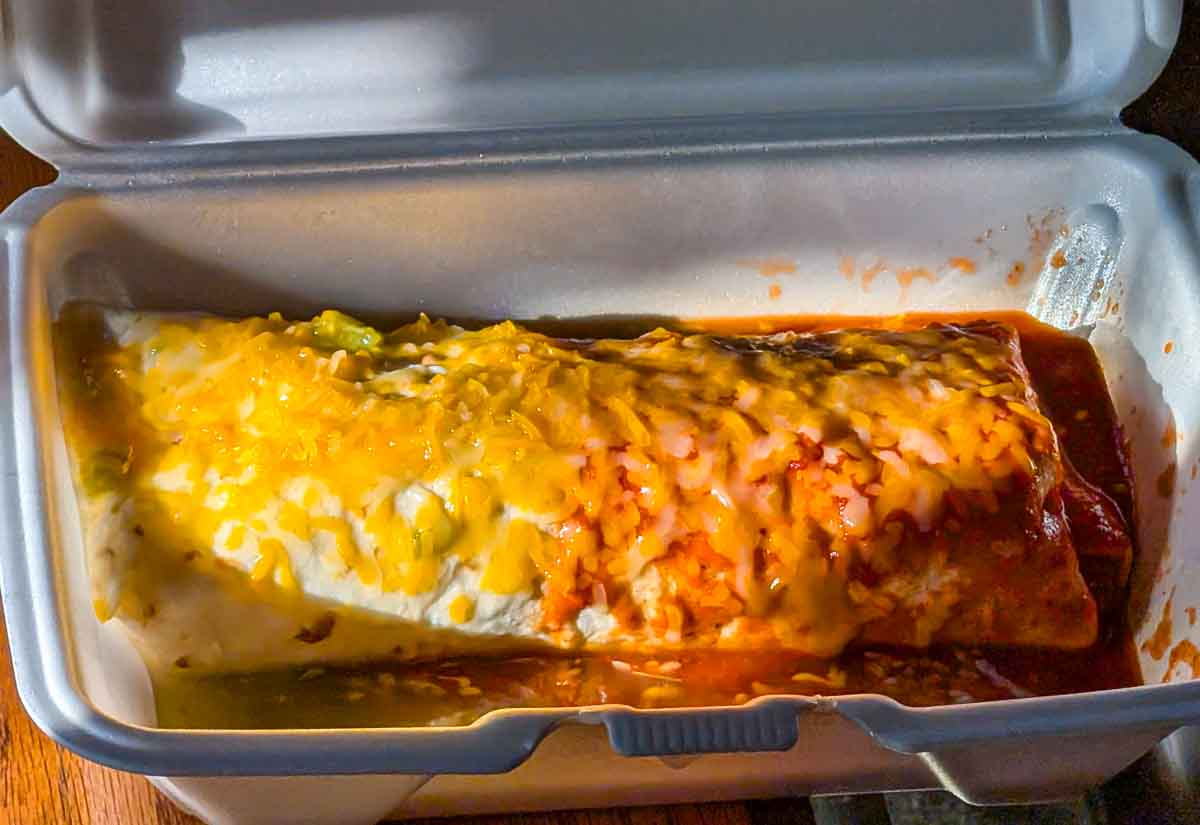
When you are ready to cook, an untreated ristra provides the ultimate pantry staple. Simply pluck a few dry pods from the bottom, remove the stems and seeds, and rehydrate them in warm water. Blend them with garlic, oregano, and salt, and you have crafted an authentic New Mexican red chile sauce. This “mother sauce” is the backbone of regional favorites like deeply marinated carne adovada, warming winter posole, and stacked red chile enchiladas.
How to Make Your Own Ristra
Creating a ristra is a time-honored autumn tradition. When the fresh Hatch red chiles become available in September, you can string your own using one of two popular methods:
- The Tying Method: This is the most durable method. Create a loop of sturdy twine to act as your base. Take 3 to 4 chiles at a time, wrap the twine tightly around their stems, and secure them with a tight knot. Continue stacking and looping these clusters until you reach the top.
- The Sewing Method: Using a needle and heavy thread, pierce the stem of each chile as close to the center as possible. Thread them down one by one, continually adjusting the shape so it dries evenly. Keep in mind that piercing the stem can make the chiles slightly more fragile once fully dried.
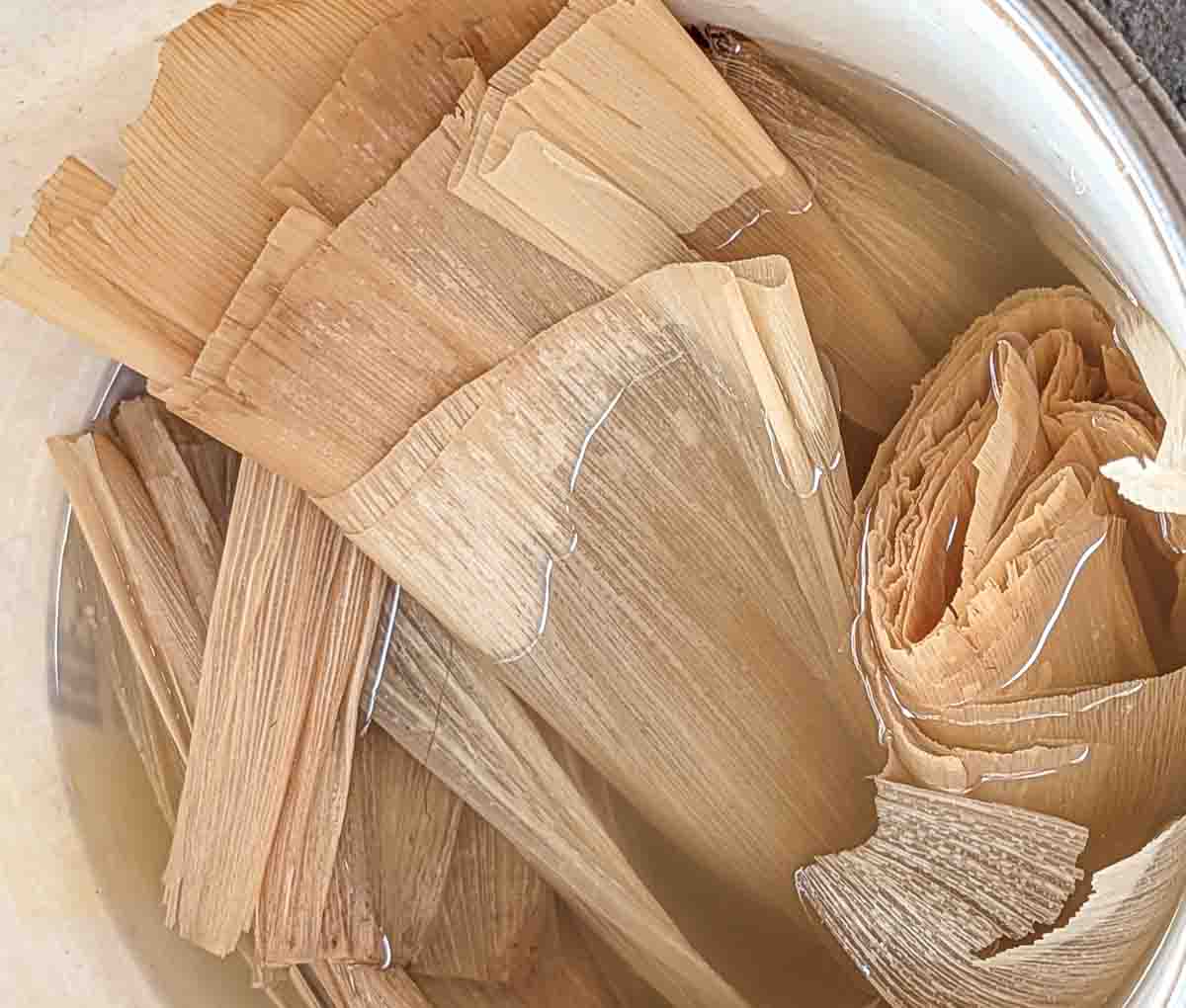
The Finishing Touch: Authentic New Mexican ristras are traditionally topped with shredded corn husks. Soak a few dried husks in water, shred them with a fork, and tie them securely around the top hanging loop to give your ristra its classic crown. For an insider tip, the most common tool for shredding corn husks in Hatch is a small block of wood with finishing nails driven through it.
Caring for and Treating Your Ristra
Because they are natural agricultural products, ristras require a little bit of care. If you plan to hang your ristra outdoors, try to place it in a spot shielded from severe winds and direct, harsh afternoon sunlight, which can bleach the beautiful red color over time.
If you want it to last forever (but not eat it): Many people choose to chemically treat their ristras so they remain bright and intact as permanent decor. You can coat a ristra using spray lacquer, shellac, acrylic spray paint, or even melted beeswax.
- Crucial Tip: You must wait until the ristra is 100% bone-dry before treating it. If you seal a ristra while there is still moisture inside the pods, it will mold and rot from the inside out.
- Note: Once a ristra is treated with any of these sealants, it is strictly decorative and can never be eaten!
Whether you are bringing a touch of Santa Fe style to your living room, or you’re pulling pods off the string to simmer a pot of Sunday posole, a Hatch chile ristra is a vibrant celebration of culture, flavor, and history.
Where to buy a Hatch Chile Ristra
For the best prices if you are shopping in person, you can’t beat Hatch. In case you can’t make it down here, we have a lot of chile ristras for sale online!
Products by Category
-
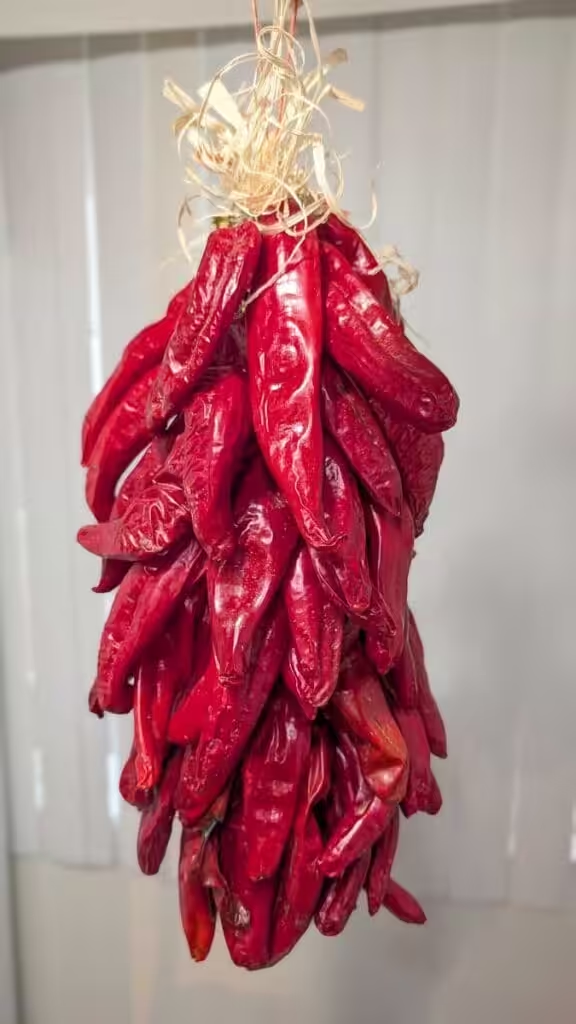
1 Ft Hatch Red Chile Ristra
$35.95 -
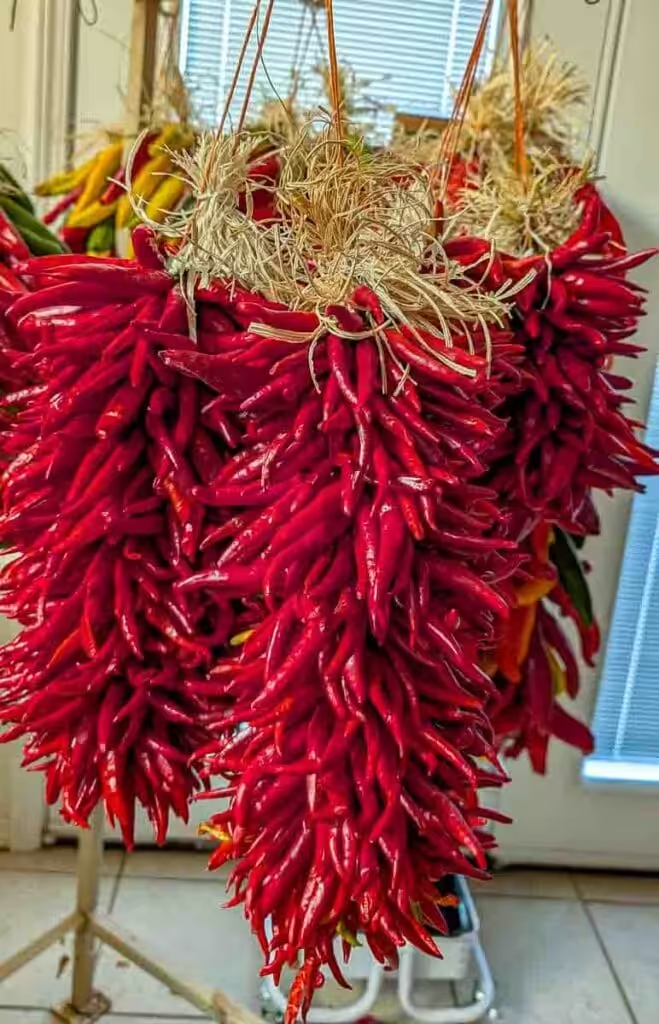
1 ft Pequin Chile Ristra
$39.95 -
18″ Hatch Red Chile Pequin Ristra
$59.95 -
2 Ft Hatch Red Chile Ristra
Original price was: $64.99.$57.95Current price is: $57.95. -
3″ Hatch Pequin Chile Ristra (Mini)
$9.99 -
6″ Hatch Pequin Chile Ristra (Mini)
$19.99 -
Hatch Pequin Chile Ristra Cross
$69.99 -
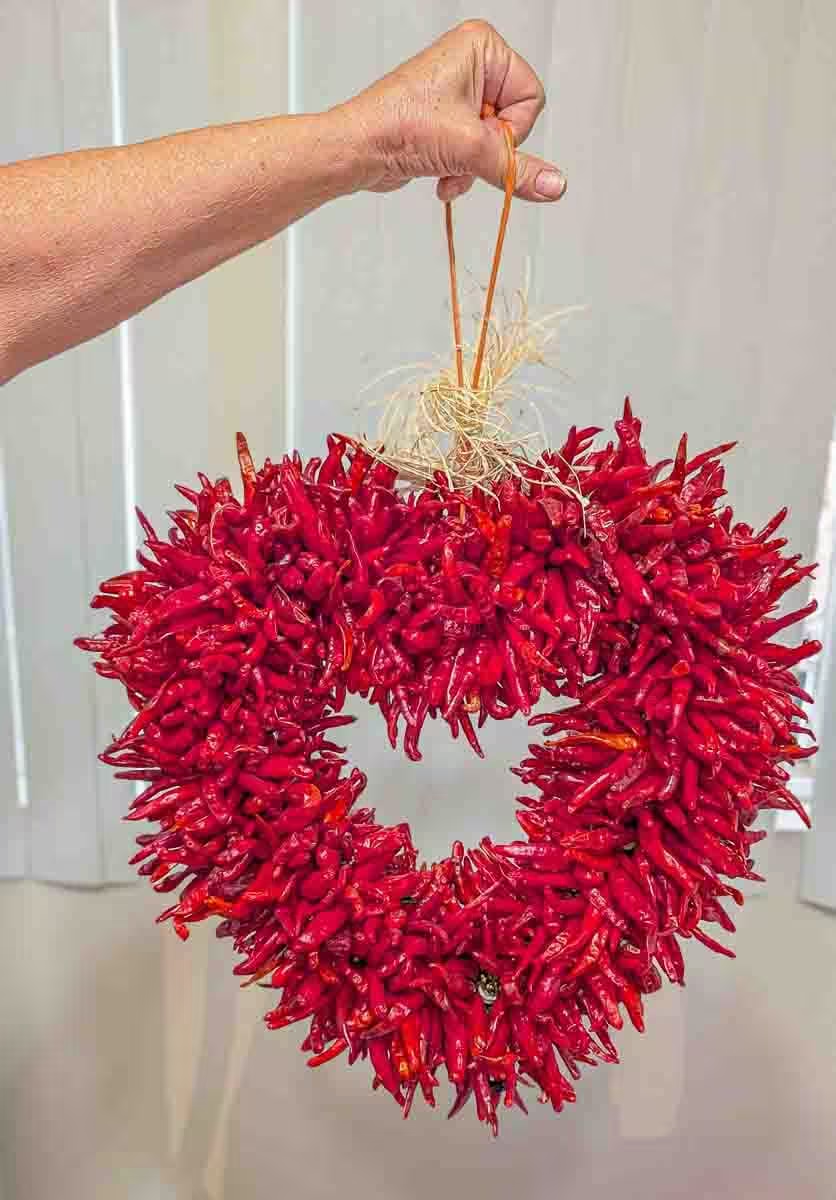
Hatch Pequin Chile Ristra Heart
$59.99 -
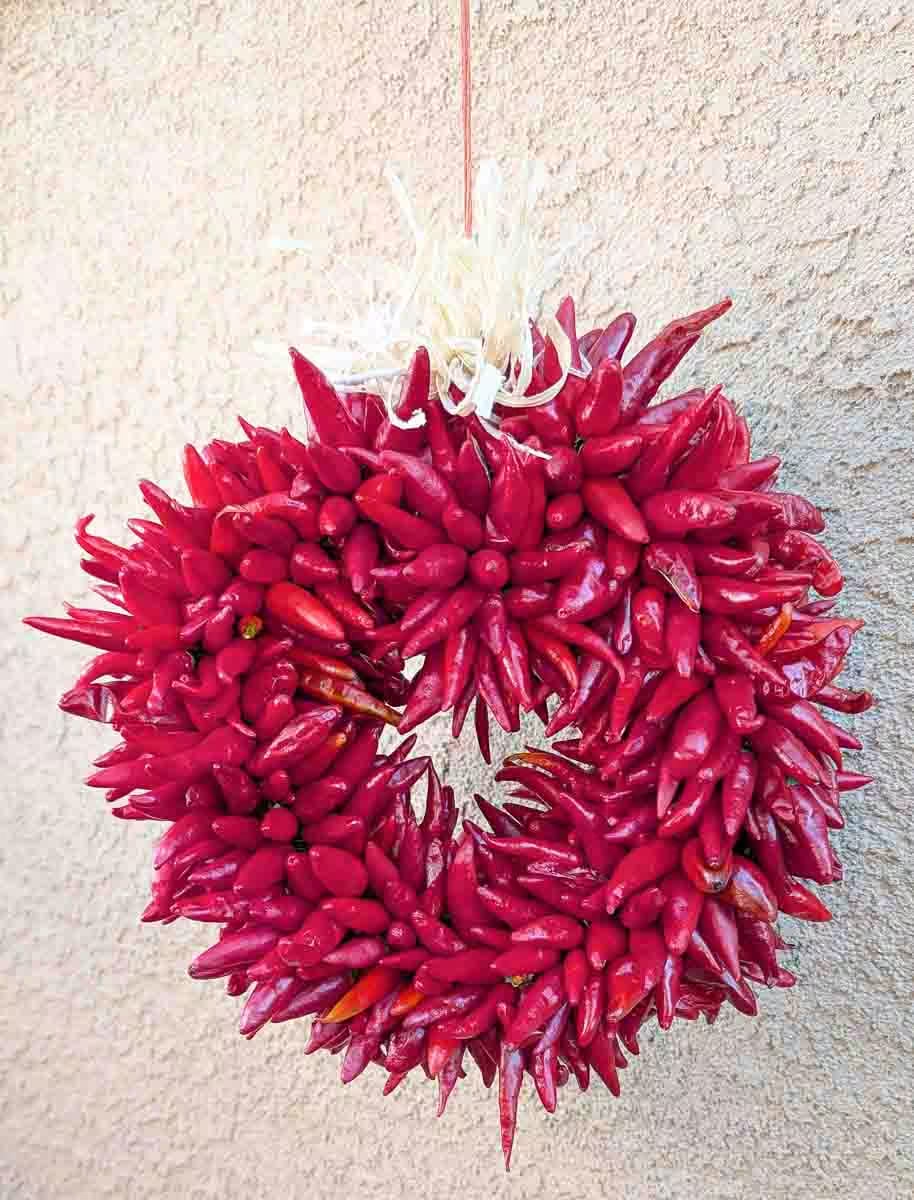
Hatch Pequin Chile Ristra Wreath
$39.95